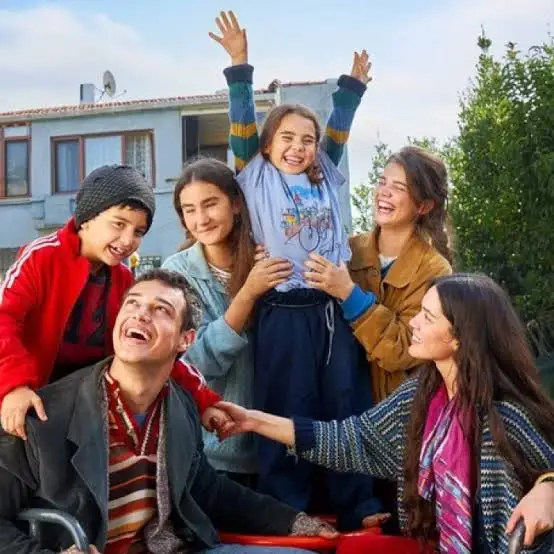
Homeless Episode 157: Melis Crumbles, Haşmet Tastes Real Fear for the First Time, and Cemo’s Marriage Suddenly Seems Possible
Introduction
Just when you think Homeless has shown you every flavor of pain, Episode 157 arrives with something new: cracks in the unbreakable. This chapter doesn’t just raise the stakes—it shatters the emotional armor of characters we thought were invincible.
For the first time, Haşmet knows fear. Real fear. The kind that lives in your chest and changes how you breathe. Melis reaches a breaking point that feels terrifyingly real. And Cemo? Suddenly, a future that seemed impossible—marriage—appears on the horizon, not as a dream, but as a desperate possibility.
Episode 157 isn’t another dramatic installment. It’s an emotional earthquake. And nothing will feel stable again.
Why Episode 157 Cuts Deeper Than the Rest
What makes this episode stand out isn’t shock value. It’s emotional honesty. Every confrontation, every silence, every hesitant word—it all feels earned.
The writers understand something crucial: trauma doesn’t create heroes. It creates exhausted, frightened, complicated human beings.
| Key Element | What It Does for Episode 157 |
|---|---|
| Emotional realism | Makes every character feel painfully real |
| Vulnerability | Pulls you closer to people you thought you knew |
| Psychological tension | Keeps your stomach in knots from start to finish |
| Relationship fractures | Shows how fear destroys love and trust |
| Slow, deliberate pacing | Lets every emotion land like a punch |
This isn’t a show chasing twists. It’s a show chasing truth.
Melis: When the Walls Finally Collapse
Melis has always been a fighter. But Episode 157 shows us something different: a woman who is running out of reasons to keep fighting.
She’s not just reacting to events anymore. She’s drowning in them.
What Breaks Inside Melis
Throughout the episode, we watch her emotionally unravel in ways that feel devastatingly real:
-
Isolation wraps around her like a second skin
-
Trust becomes a luxury she can no longer afford
-
Exhaustation settles into her bones
-
Fear of the future paralyzes her
-
Love and survival become impossible to separate
The writing here is remarkably nuanced. Melis isn’t portrayed as weak. She’s portrayed as human. Prolonged trauma doesn’t make you dramatic—it makes you tired. It makes you suspicious. It makes you quiet.
And that quiet is louder than any scream.
Haşmet: The Unbreakable Man Finally Breaks
This is the moment Homeless fans have been waiting for without knowing it.
Haşmet has spent the entire series projecting control. Certainty. Power. He made decisions with ruthless confidence, and we assumed nothing could touch him.
Episode 157 proves us all wrong.
Fear Wears a New Face
For the first time, we see genuine terror behind Haşmet’s eyes. Not anger. Not strategy. Fear.
| Sign of Breakdown | What It Reveals |
|---|---|
| Hesitation in decisions | His confidence is gone |
| Emotional leakage | The mask is cracking |
| Worry about consequences | He no longer controls everything |
| Softness toward Cemo | His heart is betraying his logic |
| Paranoia | He trusts no one—not even himself |
The brilliance here is the restraint. Haşmet doesn’t scream. He doesn’t cry dramatically. He just… hesitates. He pauses before speaking. His eyes flicker with something unfamiliar.
That subtlety is what makes his transformation so chilling.
Cemo and Marriage: The Impossible Suddenly Looks Different
Here’s where Episode 157 throws its most unexpected curveball.
Haşmet has always rejected the idea of Cemo marrying. Absolutely. Completely. No discussion.
But fear changes people.
When “No” Becomes “Maybe”
As danger closes in and emotional pressure becomes unbearable, Haşmet begins to see things differently. Not because he wants to. Because he has to.
This shift reveals a devastating theme running through the episode:
Fear doesn’t just break you. It forces you to accept futures you once swore were impossible.
But here’s what makes it real: Haşmet doesn’t become warm or supportive overnight. His acceptance is reluctant. Bitter. Wounded. He looks at Cemo’s marriage not as a blessing, but as a painful surrender.
That complexity is what makes Homeless great.
The Dark Psychology of Episode 157
Beyond the plot, this episode is a masterclass in psychological storytelling.
Fear and the Loss of Control
Characters who once manipulated events now realize they are being swept away by them. That loss of control creates emotional chaos across every storyline.
Love vs. Survival
Episode 157 forces its characters to ask brutal questions:
-
Can love survive when every day brings new danger?
-
Is emotional attachment a weakness or a reason to live?
-
How much sacrifice is too much?
There are no easy answers. That’s the point.
Loneliness in a Crowded Room
Several characters experience profound isolation even when surrounded by family and allies. Trauma doesn’t just hurt—it separates. And Homeless shows that separation with heartbreaking accuracy.
How Dialogue Creates Suspense Without Action
Episode 157 proves that the most dangerous battles happen in conversations, not fights.
The Art of the Unspoken
| Technique | Emotional Effect |
|---|---|
| Pauses that stretch too long | Your stomach knots up |
| Threats hidden in polite words | Unease that never leaves |
| Characters saying one thing but feeling another | Internal conflict made visible |
| Short, clipped responses | Walls going up |
| Sentences left unfinished | Fear too big to speak |
The writers trust their audience to read between the lines. And that trust pays off.
Fan Reactions: What Viewers Are Saying
Early responses to Episode 157 have been powerful. Fans are specifically praising:
-
Haşmet’s terrifying vulnerability
-
Melis’s heartbreaking realism
-
The darker, more intimate atmosphere
-
Character depth that keeps growing
-
Tension that builds slowly and explodes quietly
Many are calling this one of the most emotionally mature episodes of the entire series.
Character Growth That Feels Real
Every major character in Episode 157 changes in ways that feel earned, not forced.
Melis
-
Emotionally exhausted
-
Questions every relationship
-
Trapped between fear and love
Haşmet
-
Psychologically cracked
-
Losing the control he worshipped
-
Re-evaluating everything he believed
Cemo
-
Facing an uncertain future
-
Becoming the emotional center of coming conflicts
-
Carrying hope in a world designed to crush it
This isn’t change for drama’s sake. It’s change that hurts because we’ve watched these people earn every scar.
Visual Storytelling That Hurts to Watch
The cinematography in Episode 157 deserves its own standing ovation.
How the Camera Tells the Story
-
Darkness swallows the edges of every frame
-
Cameras press uncomfortably close to faces
-
Close-ups linger long after dialogue ends
-
Scene transitions feel slow, heavy, inevitable
-
Music is sparse—silence does the work
The camera doesn’t just watch these characters suffer. It traps you in the room with them.
Emotional Conflict Is the Real Engine
Physical danger is background noise in Episode 157. The real story lives inside the characters’ chests.
| Emotional War | What It Costs |
|---|---|
| Love vs. survival | Decisions that leave scars |
| Trust vs. suspicion | Relationships bleeding out |
| Power vs. vulnerability | Authority crumbling |
| Fear vs. pride | Walls coming down |
These internal battles are why Homeless feels less like a TV show and more like an experience.
What Comes Next? (Because Nothing Is Resolved)
Episode 157 closes no doors. It only opens wounds.
Questions That Haunt the Future
-
Will Haşmet’s fear consume him entirely?
-
Can Melis find any version of peace?
-
Is Cemo’s marriage a beginning or an ending?
-
Who will betray whom first?
-
How much more can anyone lose?
The writers leave these questions unanswered because that’s how life works. And that’s how great storytelling works.
Why Homeless Keeps Its Audience
Homeless doesn’t follow formulas. It follows human beings.
| Series Strength | Why Viewers Stay |
|---|---|
| Emotional realism | We see ourselves in the pain |
| Psychological depth | The story lives inside the mind |
| Slow-burn tension | Every episode matters |
| Complex relationships | Love and hate are never simple |
| Consistent character arcs | Growth feels earned, not borrowed |
Episode 157 is everything Homeless does best, concentrated into one devastating chapter.
Final Thoughts
Episode 157 is not an easy watch. It’s not meant to be.
Homeless Bolum 157—where Melis crumbles, Haşmet tastes real fear for the first time, and Cemo’s marriage suddenly becomes possible—succeeds because it understands something many shows forget:
The most powerful drama isn’t about what happens. It’s about what happens inside.
This episode delivers:
-
Psychological depth that lingers
-
Emotional realism that hurts
-
Vulnerability from characters we thought were armor-plated
-
Suspense built from silence, not explosions
-
Relationships fracturing in ways that feel permanent
Most importantly, Homeless continues to respect its characters’ emotional histories. No fake resets. No convenient amnesia. Just the slow, painful, beautiful work of watching broken people try to survive.
As the series moves forward, Episode 157 will likely stand as the chapter where fear stopped being a visitor and became a permanent resident.
For longtime viewers, this episode isn’t just entertainment. It’s an emotional experience that will stay with you long after the credits fade.
Frequently Asked Questions
What makes Episode 157 different from previous episodes?
For the first time, Haşmet—previously unshakable—experiences genuine fear. Melis also reaches a new level of emotional collapse, and a long-rejected marriage suddenly becomes possible.
Does Haşmet completely change in this episode?
No. The change is subtle and reluctant. He doesn’t become soft. He becomes uncertain—which is far more terrifying.
Why is the marriage storyline so significant?
Because Haşmet has always opposed it absolutely. His reconsideration signals how much fear has reshaped his priorities.
How does the episode build suspense without action?
Through dialogue, silence, pauses, and emotional subtext. The tension lives between words, not in them.
Will viewers enjoy Episode 157?
Fans who value emotional realism, psychological depth, and character-driven storytelling will likely consider it one of the strongest episodes of the series.