
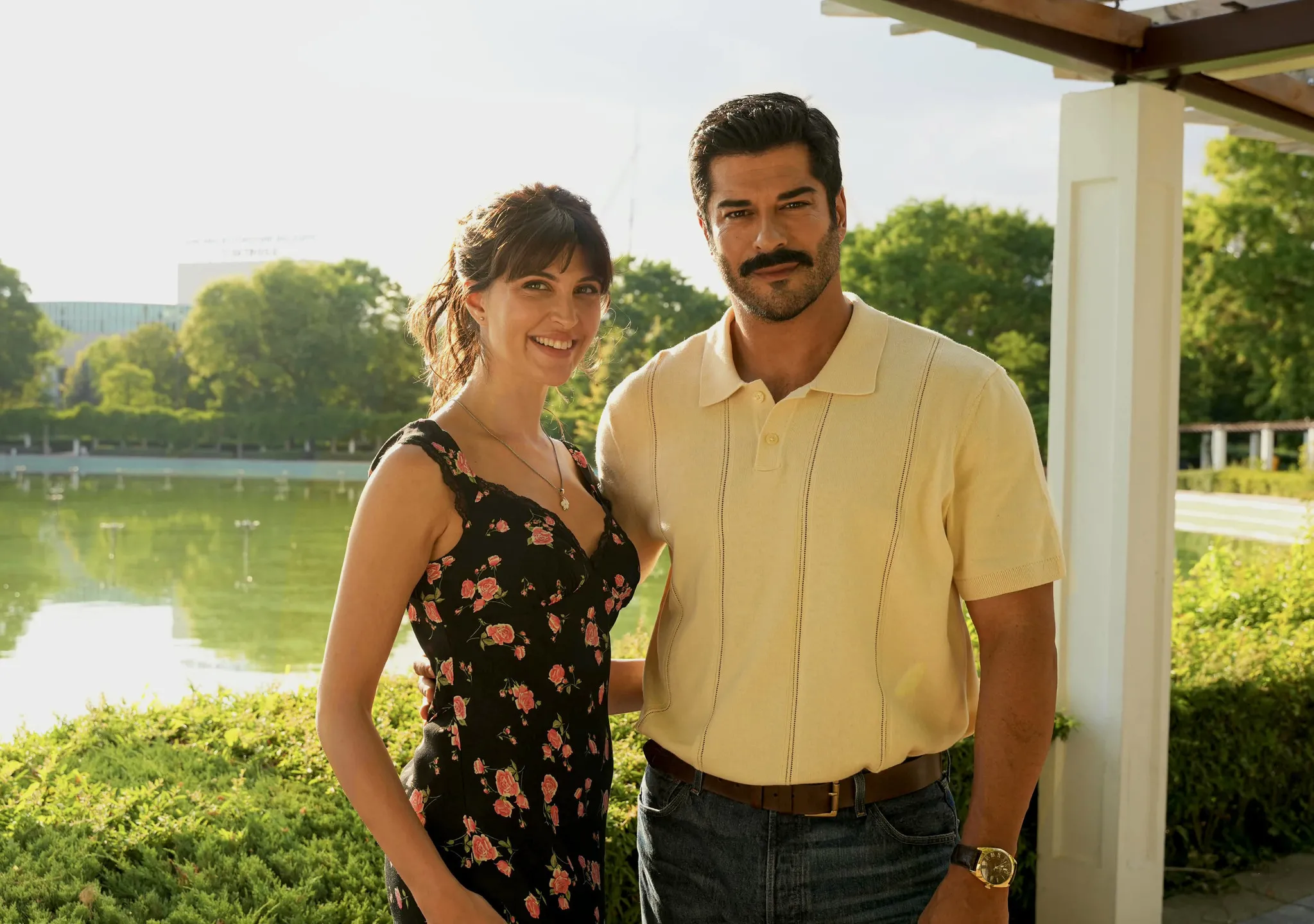
Detailed Summary of Güneşin Doğduğu Yer – Trailer
This trailer for Güneşin Doğduğu Yer introduces what promises to be a powerful, emotionally intense, and deeply dramatic series rooted in themes of forbidden love, family loyalty, sacrifice, and the devastating consequences of choice. The trailer is brief but packed with emotional weight, suggesting a story that revolves around a love so strong that it tears apart families, challenges societal norms, and forces characters to make impossible decisions.
The trailer opens with a name: Kenan. This immediately establishes him as a central figure—someone whose actions, decisions, or fate will drive the narrative forward. The audience is left to wonder who Kenan is, what his role is, and why his name is the first thing we hear. He could be the male lead, a key antagonist, or a character caught in the middle of a larger conflict.
The narrator then speaks: “Onların aşkı bir duvarın yıkıldığı gün başladı.” (“Their love began on the day a wall was destroyed.”) This is a powerful metaphor. The “wall” could symbolize societal barriers, family opposition, class differences, or even emotional walls that the characters have built around themselves. The destruction of this wall represents a moment of liberation—a point of no return where love becomes inevitable, unstoppable, and all-consuming. It suggests that the relationship at the heart of the series is forbidden, dangerous, and born out of defiance.
A mother’s voice then breaks through with a tone of anguish and accusation: “Oğlum o aşk uğruna beni karşısına aldı.” (“My son, for the sake of that love, he stood against me.”) This is a devastating revelation. The son has chosen his love over his own mother, creating a rift that may never be healed. The mother’s pain is palpable—she has lost her son to a love she does not approve of, and she feels betrayed. This sets up a classic conflict between parental authority and personal desire, tradition and modernity, family honor and individual happiness.
The son’s voice is defiant: “Ben Leyla’yı seviyorum.” (“I love Leyla.”) This is a declaration of love, but it is also a challenge—a refusal to back down, even in the face of his mother’s opposition. The mother responds with anger and disbelief: “Anneni bir gavur kız için çiğneyip geçeceksin?” (“You will trample over your mother for a non-believer girl?”) This line is loaded with cultural and religious tension. The word “gavur” (infidel, non-believer) suggests that Leyla is from a different religious or ethnic background, making their love not just a personal choice but a transgression against family and cultural identity. This is a powerful conflict that will undoubtedly shape the series—love across boundaries of religion, culture, or ethnicity.
The son counters: “Ben Devran’a söz verdim.” (“I gave my word to Devran.”) This introduces a new character, Devran, and a new layer of complexity. The son has made a promise to someone else—perhaps a rival, a friend, or a lover—that now binds him. This suggests that his decision is not just about love but also about honor, loyalty, and obligation. He is caught between his love for Leyla, his promise to Devran, and his loyalty to his mother.
The mother’s response is final and devastating: “Ben kimseye söz vermedim. Gülüm! Eğer bu kapıdan çıkıp gidersen bir daha geri dönemezsin.” (“I did not promise anything to anyone. My rose! If you walk out that door, you cannot come back.”) This is an ultimatum—a mother’s last attempt to keep her son. She is using the ultimate weapon: exile. If he chooses Leyla, he will lose his family forever. The word “Gülüm” (my rose) is a term of endearment, making the threat even more heartbreaking. She loves him, but she cannot accept his choice.
The trailer then shifts to a broader reflection: “Bir anne çocuğunu kaybettiğinde ne yapar?” (“What does a mother do when she loses her child?”) This question hangs in the air, suggesting that the mother’s grief will drive her to desperate actions. She asks someone to investigate Leyla, indicating that she is not passive—she will fight back, perhaps by uncovering secrets or manipulating events.
The narration continues: “Ama bazen birini korumak, başka birinin dünyasını yıkmaktır.” (“But sometimes, protecting someone means destroying another person’s world.”) This is a profound and tragic insight. The characters are caught in a web of conflicting loyalties—protecting one person inevitably harms another. There are no easy choices, and everyone will pay a price for their decisions.
The final question is chilling: “Peki sen, sevdiğin için kaç hayatı feda edebilirsin?” (“So how many lives can you sacrifice for the one you love?”) This is the central moral question of the series. The characters will be forced to weigh love against loyalty, passion against duty, and individual happiness against the greater good. The answer will determine the fate of everyone involved.
Main Characters in This Segment
-
Kenan – A central character, possibly the male lead. His name is the first thing we hear, suggesting that his story is at the heart of the series. His decisions will drive the plot forward.
-
The Son (possibly Kenan) – A young man who is deeply in love with Leyla. He is defiant, courageous, and willing to sacrifice everything for love, even his relationship with his mother.
-
The Mother – A powerful, traditional woman who is devastated by her son’s choice. She represents family honor, cultural values, and maternal authority. She is willing to exile her own son to preserve what she believes is right.
-
Leyla – The woman at the center of the conflict. She is from a different background, making their love controversial and forbidden. Her fate is uncertain, but she is clearly the object of the son’s devotion.
-
Devran – A character to whom the son has made a promise. His role is not fully explained, but he represents another layer of obligation and complexity in the story.
How This Part Ends
This part ends on a note of emotional devastation and unresolved conflict. The mother has given her son an ultimatum: choose love or family. The son has declared his love for Leyla, but he is also bound by a promise to Devran. The mother is left grieving, and the audience is left wondering what choice he will make.
The trailer does not provide a resolution—it is designed to build anticipation for the series. The final question—how many lives can you sacrifice for love—hangs in the air, promising a season of difficult choices, heartbreaking consequences, and powerful emotional moments. The series will explore the lengths people will go to for love, and the price they must pay when love clashes with family, culture, and honor.
