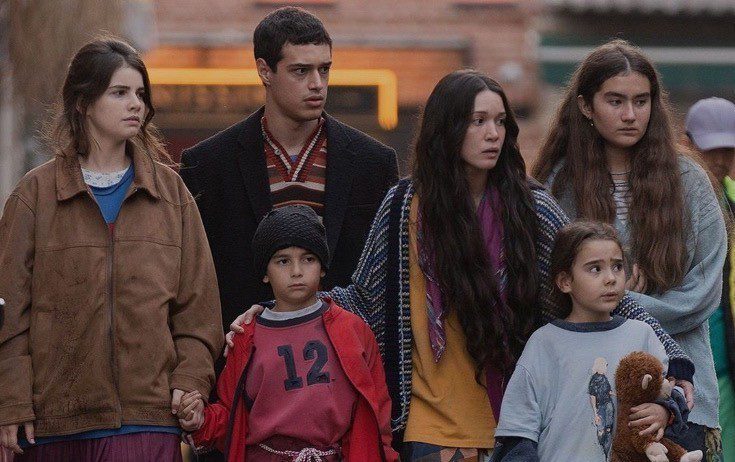
Homeless Is Never Glamorous. It’s Exhausting, Isolating, and Deeply Painful. Episode 157 Proves This Again.
Introduction
Too many TV dramas romanticize struggle. Characters somehow survive impossible situations while still holding onto their dignity, strength, and emotional control. But Homeless refuses to follow that script. Episode 157 continues the series’ raw, unfiltered look at survival—emotional trauma, broken relationships, and the crushing weight of life on society’s margins.
There’s nothing glamorous here. Just exhaustion, isolation, and deep pain. Episode 61 reinforces this truth through several unforgettable moments, making it one of the most emotionally devastating episodes yet. Instead of loud melodrama, it leans on quiet suffering, emotional burnout, and painful decisions to show how poverty and displacement eat away at a person’s identity.
This episode pushes the characters deeper into psychological complexity and darker emotional territory. Through Devran’s inner war, Azize’s growing hopelessness, and the cracks widening inside the group, Episode 157 reveals the brutal human cost of living without stability.
Why Episode 157 Stands Out
What makes this episode special is its realism. No simple storytelling here. Homelessness is shown as a never-ending emotional and physical weight.
Unlike dramas that treat poverty as a temporary hurdle before a triumphant comeback, Homeless focuses on the daily grind of uncertainty. Hunger, fear, mistrust, exhaustion, emotional isolation—these aren’t setbacks. They’re the reality.
Core Themes in Episode 157
| Theme | Impact on the Story |
|---|---|
| Emotional isolation | Characters can’t trust one another |
| Survival pressure | Morality becomes a luxury |
| Family conflict | Relationships crack under stress |
| Psychological trauma | Fear drives every move |
| Leadership burden | Devran faces impossible expectations |
These themes create a story that feels emotionally honest and socially urgent.
Homeless Is Never Glamorous. Episode 157 Proves It.
The heart of Episode 157 is emotional fatigue. Every character looks worn down by their circumstances.
The series constantly reminds us: homelessness isn’t just about missing a roof. It’s about losing security, identity, privacy, and eventually, hope.
The Physical Toll of Just Getting Through the Day
One of the episode’s smartest choices is how it shows physical exhaustion. Characters look drained. Their conversations are shorter. Their reactions are slower. Their emotional fuel is running on empty.
This isn’t adventurous survival. It’s repetitive, mind-breaking, and destructive. Every choice has consequences. Every mistake invites new danger.
That exhaustion becomes a symbol of their emotional collapse.
Devran’s Leadership Hits a Breaking Point
Devran is still the emotional core, but Episode 157 pushes him past his limit.
Leading Without a Safety Net
Devran’s leadership isn’t empowering. It’s a curse forced on him by circumstance. He has to protect everyone while barely keeping himself alive.
This creates the episode’s strongest emotional conflict:
-
Protect the group
-
Stretch limited resources
-
Keep emotional control
-
Stop internal collapse
-
Make impossible moral choices
Over and over, we see Devran swallowing his feelings. He knows that showing weakness could shatter the group. But that emotional suffocation is slowly destroying him from the inside.
Devran’s Psychological War
The episode also excels at showing psychological pressure.
| Internal Conflict | Emotional Effect |
|---|---|
| Responsibility vs. exhaustion | Burnout |
| Compassion vs. survival | Moral instability |
| Leadership vs. vulnerability | Isolation |
| Hope vs. realism | Emotional confusion |
This complexity keeps Devran compelling. He never becomes an unrealistic hero. He just becomes more human.
Azize’s Growing Emotional Isolation
Azize carries some of the episode’s most heartbreaking moments.
The Loneliness of Not Knowing
Her pain isn’t just from immediate danger—it’s from uncertainty. She no longer knows who to trust, whether a future exists, or if stability is even possible anymore.
That uncertainty creates a quiet despair that runs through the whole episode.
Look at how the show uses:
-
Silence instead of speeches
-
Emotional distance between characters
-
Hesitation in conversations
-
Fear hidden behind restraint
These choices make the emotional tension feel real, not overdone.
Poverty as a Psychological Condition
Episode 157 shows that poverty doesn’t just empty your wallet. It attacks:
-
Mental health
-
Relationships
-
Self-worth
-
Decision-making
-
Emotional stability
These characters aren’t just financially broke. They’re emotionally trapped in survival mode. That’s a crucial difference. Many shows show poverty visually. Homeless shows how it rewires your brain.
The Power of Silence in Episode 157
One of the most impressive things here is the use of silence.
Silence as Storytelling
Several scenes skip dramatic speeches entirely. Instead, the episode relies on:
-
Facial expressions
-
Hesitation
-
Body language
-
Pauses
-
Emotional withdrawal
This subtle approach creates stronger realism. We have to read pain through behavior, not monologues.
The silence often communicates:
-
Defeat
-
Fear
-
Burnout
-
Distrust
-
Resignation
It’s a sophisticated, powerful technique.
Supporting Characters Add Emotional Depth
Devran and Azize lead the emotional story, but the supporting cast matters too.
Group Dynamics Keep Crumbling
Survival stress keeps tightening the screws. Small disagreements explode because every decision now feels life-or-death.
| Character Situation | Narrative Impact |
|---|---|
| Distrust inside the group | Instability |
| Anxiety over resources | More conflict |
| Fear of betrayal | Paranoia |
| Emotional exhaustion | Weakened bonds |
The writing shows, with painful accuracy, how long-term instability slowly kills human connections.
Realism Over Cheap Drama
Many shows rely on shocking twists to keep you watching. Homeless chooses a harder path.
Emotional Truth Over Spectacle
Instead of:
-
Unrealistic rescues
-
Sudden miracles
-
Simple villains
-
Forced emotional speeches
Episode 157 gives us:
-
Psychological breakdowns
-
Emotional burnout
-
Brutal survival choices
-
Human vulnerability
This grounded approach gives the series real emotional credibility.
Why Viewers Connect So Deeply
The emotional success of Homeless comes from its honesty.
People recognize:
-
Fear
-
Isolation
-
Emotional fatigue
-
Uncertainty
-
The desperate need for safety
Even if you’ve never been homeless, you can feel the emotional reality here.
Authenticity Creates Investment
The characters feel real because they:
-
Make mistakes
-
Feel fear
-
Lose emotional control
-
Struggle with hopelessness
-
React inconsistently under pressure
Those imperfections make the story feel human.
Visual Storytelling That Hurts to Watch
Episode 157 also deserves credit for its direction.
| Technique | Emotional Effect |
|---|---|
| Dim lighting | Hopelessness |
| Tight framing | Claustrophobia |
| Long pauses | Tension |
| Minimal music | Realism |
| Slow pacing | Exhaustion |
The cinematography serves the story instead of distracting from it.
Social Commentary Without Preaching
Beyond the emotion, Episode 157 is also social commentary.
Fighting Romanticized Narratives
So many shows turn hardship into inspirational fantasy. Homeless rejects that completely.
It keeps showing that:
-
Survival is traumatic
-
Poverty isolates
-
Emotional stability crumbles under pressure
-
Hope is hard to hold onto
That honesty gives the show real-world relevance.
Character Development Earns the Pain
One reason Episode 157 hits so hard is that the emotional moments feel earned. The characters’ reactions come from accumulated trauma, not sudden shifts.
Long-Term Writing Pays Off
The series carefully builds:
-
Emotional scars
-
Trust issues
-
Leadership pressure
-
Psychological instability
-
Fear-based decisions
This continuity rewards long-time viewers emotionally.
Most Powerful Moments in Episode 157
-
Devran’s emotional suppression – He can’t show weakness, and it’s crushing him.
-
Azize’s silent despair – Her emotional withdrawal is devastating.
-
Growing distrust inside the group – Fear kills their connection.
-
Constant fear of instability – No one ever feels safe.
-
Exhaustion replacing hope – Burnout is everywhere.
Fan Reactions to Episode 157
Viewers have praised this episode for:
-
Emotional realism
-
Strong performances
-
Authentic dialogue
-
Psychological depth
-
Social relevance
Many call it one of the most emotionally mature episodes of the series.
| Viewer Response | Reason |
|---|---|
| Emotional connection | Realistic suffering |
| Sympathy for characters | Human vulnerability |
| Narrative investment | Strong continuity |
| Critical praise | Honest storytelling |
What Comes Next?
The episode leaves you unsettled because there are no easy answers.
Key questions remain:
-
Can Devran keep leading?
-
Will the group fall apart emotionally?
-
Can trust be rebuilt?
-
Is stability even possible anymore?
These open emotional wounds make you desperate for what comes next.
Final Thoughts
Homeless is never glamorous. It’s exhausting, isolating, and deeply painful. Episode 157 reinforces this truth through moment after moment of raw, honest storytelling.
No exaggerated twists. No fake heroism. Just emotional honesty. Survival is shown as draining and psychologically destructive—but always with deep compassion for the characters.
Devran’s internal battle, Azize’s emotional isolation, and the group’s crumbling trust come together to create something painfully authentic.
What makes Episode 157 unforgettable is its refusal to soften suffering. Homeless understands that being without a home doesn’t just threaten your body—it threatens your identity, your mind, and your ability to connect with others.
That’s the real power of this episode. And that’s why audiences keep coming back.
Frequently Asked Questions
What’s the main theme of Homeless Episode 157?
Emotional exhaustion, survival pressure, psychological trauma, and the painful realities of homelessness.
Why is Episode 157 considered so powerful?
Because it uses realism, silence, psychological depth, and authentic character struggles instead of exaggerated drama.
How does Devran change in Episode 157?
He becomes even more burdened by leadership and the constant pressure to survive.
What makes Homeless different from other dramas?
It refuses to romanticize poverty. It shows homelessness as emotionally and psychologically devastating.
Does Episode 157 continue the darker tone of the series?
Yes. It deepens the emotional realism and shows instability affecting every character more than ever.